Category: api

AI/ML Jun 17, 2026

Why I Built Purple — And Why It Took 20 Years to Get Here

I've been thinking about AI since before it was cool to think about AI—studying neural networks, formal logic, and operating system internals at my university in Katowice. At the time, it seemed almost impossible that these fields would ever converge, but they did. The wait, however, felt incredibly long.My early professional experience taught me relentless discipline: building commercial software (around 2001), generating revenue with mobile apps in foreign markets (China, 2007), and iterating through diverse tech stacks at companies like EPAM, Uber, and Pearson.

Read more →
AI/ML Apr 12, 2025

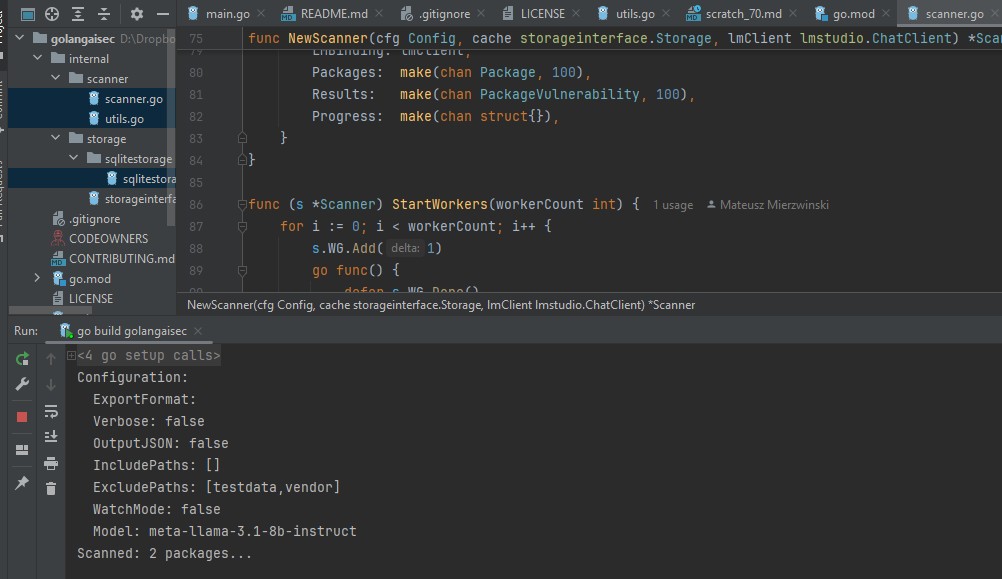
Integrating locally running LLM in Go tools to scan Golang modules

I was writing Go applications since 2016 and I was able to go thru various dependencies management systems including famous at some point DEP and now built-in go modules. While go dependency management came long road in language history it still has one major flaw – all dependencies are downloaded from Internet, mostly from github […]

Read more →
AI/ML Oct 9, 2024

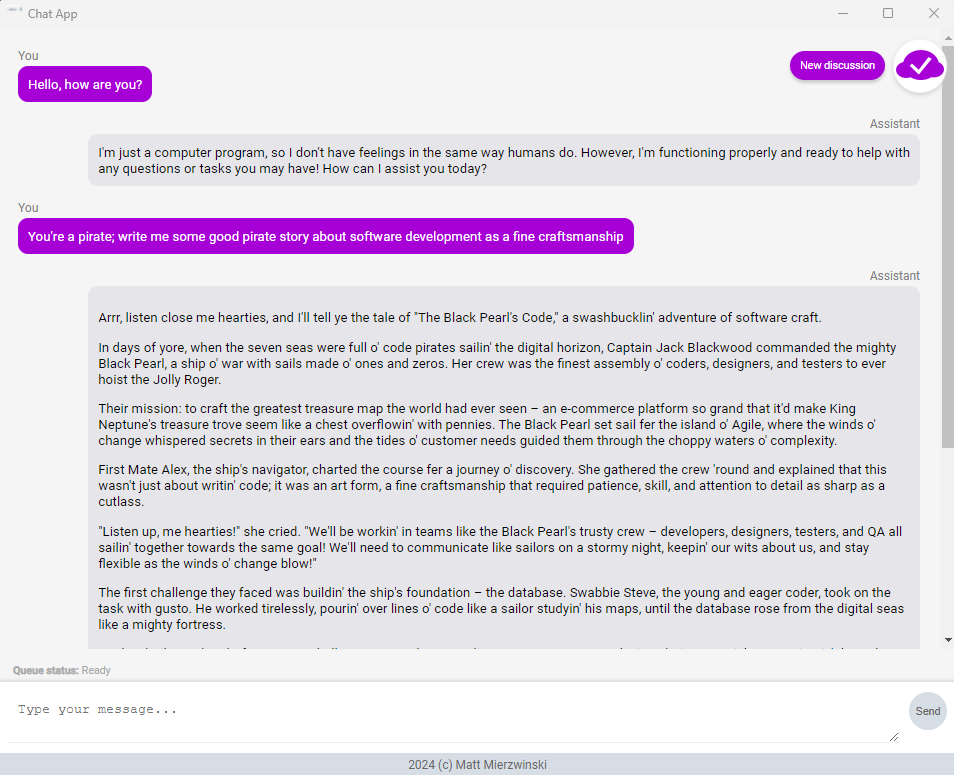
I built my own LLM chat, and it’s running offline

Recently, I took on a project to build AChat, a chat application that runs on my local network and operates entirely offline. The challenge was to utilize a powerful AI model, Meta’s LLaMa, while keeping everything on-premise, without relying on cloud services. It turns out, when you have a GPU-equipped server at home, it’s entirely […]

Read more →
API Apr 24, 2024

Rate limiting and how to handle it on the client side

When publishing an API on the internet, we open ourselves up to a wonderful world of users, but also a world full of threats. Proper design patterns, good security practices, and audits and penetration tests help mitigate many of the risks associated with open API access. There are many design patterns and best practices for […]

Read more →

Built with technologies I love

This blog runs on open, proven tools — chosen for reliability, not popularity.